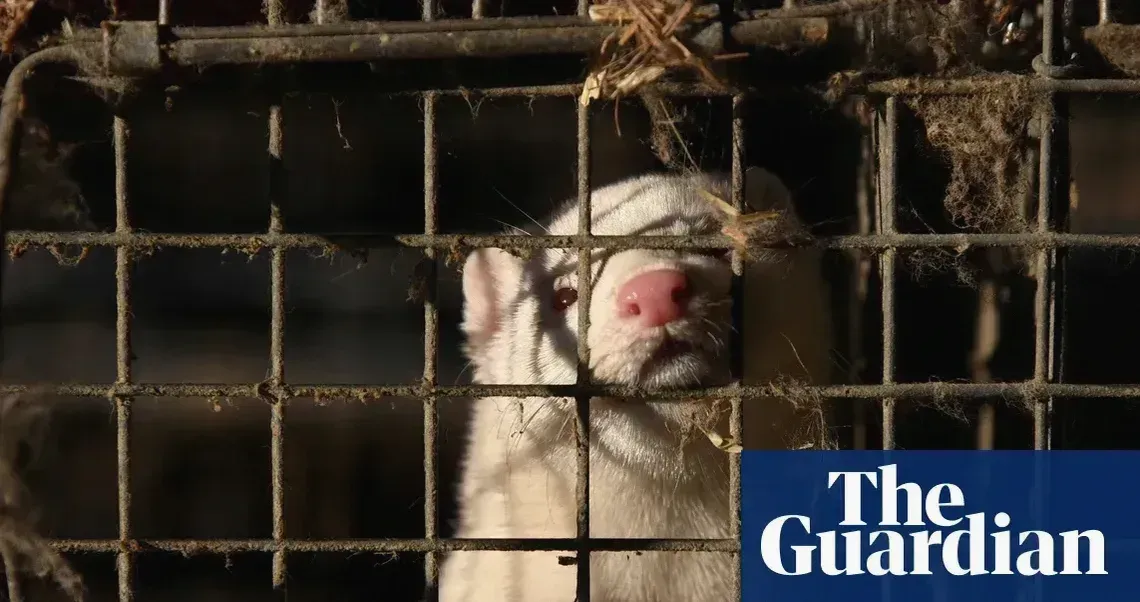
A bird flu outbreak at a mink farm near Salt Lake City has triggered alarm among infectious disease experts, not necessarily because of an immediate threat to the general public, but due to a perceived failure in government transparency and oversight. For two months, a facility raising thousands of mink for fur struggled with the virus while state and federal agencies seemed trapped in a bureaucratic deadlock. Records show that when state veterinarian Amanda Price sought assistance from the U.S. Department of Agriculture, she was told that federal officials did not regulate mink nor possessed an approved vaccine for them.
The situation has drawn sharp criticism from specialists like Jennifer Nuzzo, an epidemiology professor at Brown University, who warns that secrecy provides no protection against viral threats. While Nuzzo believes the likelihood of a massive human wave is low, she expressed deep concern over the safety of farm workers. In many other nations facing similar outbreaks, governments typically order the immediate culling of animals to stop the spread. However, reports indicate that efforts to depopulate the Utah farm were resisted by representatives of the fur trade, who argued such a move would destroy the local industry.
Further complicating matters are claims that official protocols were ignored on the ground. Despite CDC guidelines urging symptomatic monitoring of workers, reports suggest this did not happen consistently. One worker was noted to have a red eye, a primary symptom for testing, though farm owner Chad Fenn attributed this to dust rather than illness. This lapse reflects a broader pattern that critics say characterizes the current administration’s approach to zoonotic diseases, citing previous dismissals of personnel managing bird flu in dairy cows as evidence of a shrinking surveillance apparatus.
Ultimately, the incident highlights a growing rift between federal regulators and the scientific community. Professor Nuzzo noted that the regular collaborative briefings once held between government officials and independent experts have vanished under the Trump administration. Without these channels for interrogation and scrutiny, experts fear that critical warnings may go unheard and emerging threats may remain hidden until they become unmanageable crises.