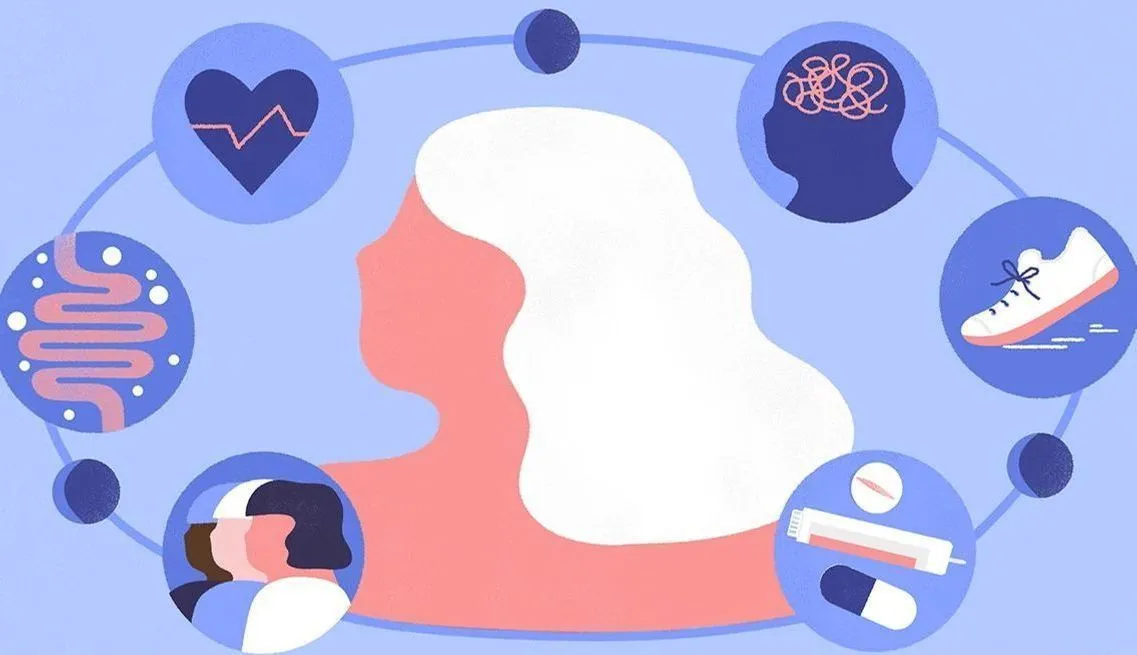
Medical professionals are rethinking how they treat menopause, shifting away from quick clinic visits toward more integrated, personalized strategies. One of the most significant shifts involves treating exercise not just as general advice, but as a formal medical prescription. While strength training and yoga are known to improve bone density and curb symptoms like hot flashes and night sweats, data shows that a staggering majority of midlife women fail to meet basic activity guidelines. To bridge this gap, doctors like Dr. Amy Comander are providing specific, written instructions tailored to each patient’s fears and preferences, whether that means avoiding a crowded gym in favor of home workouts or using the psychological weight of a physical script to spark commitment.
This movement toward structured guidance is backed by evidence showing that when women receive a concrete plan paired with coaching, both their physical and mental health markers improve. By transforming vague suggestions into actionable mandates, providers hope to overcome the intimidation factor often associated with fitness centers. These prescriptions serve as tangible reminders on the refrigerator, turning a daunting lifestyle change into a manageable healthcare goal that treats metabolic and cardiovascular health with the same urgency as any other chronic condition.
At the same time, researchers are exploring ways to break the isolation often felt during menopause through shared medical appointments. Traditional twenty minute consultations rarely leave enough room to discuss complex intersections of sleep, stress, and sexual function. However, recent initiatives led by experts like Dr. Karen Adams at Stanford University suggest that grouping ten to twelve women together for extended virtual sessions creates a powerful engine for change. Participants in these group settings reported higher rates of successful lifestyle adoption compared to those seeing doctors individually.
The effectiveness of these shared appointments lies in the combination of extended time and social accountability. When women share goals within a supportive cohort, the experience acts as a commitment device that motivates them throughout the week between meetings. This communal approach does more than just track biological metrics; it addresses the profound emotional need for connection during a transitional life stage. As clinicians find ways to make this model financially viable for practices, it offers a glimpse into a future where menopausal care is defined by longevity through community rather than isolated treatments.