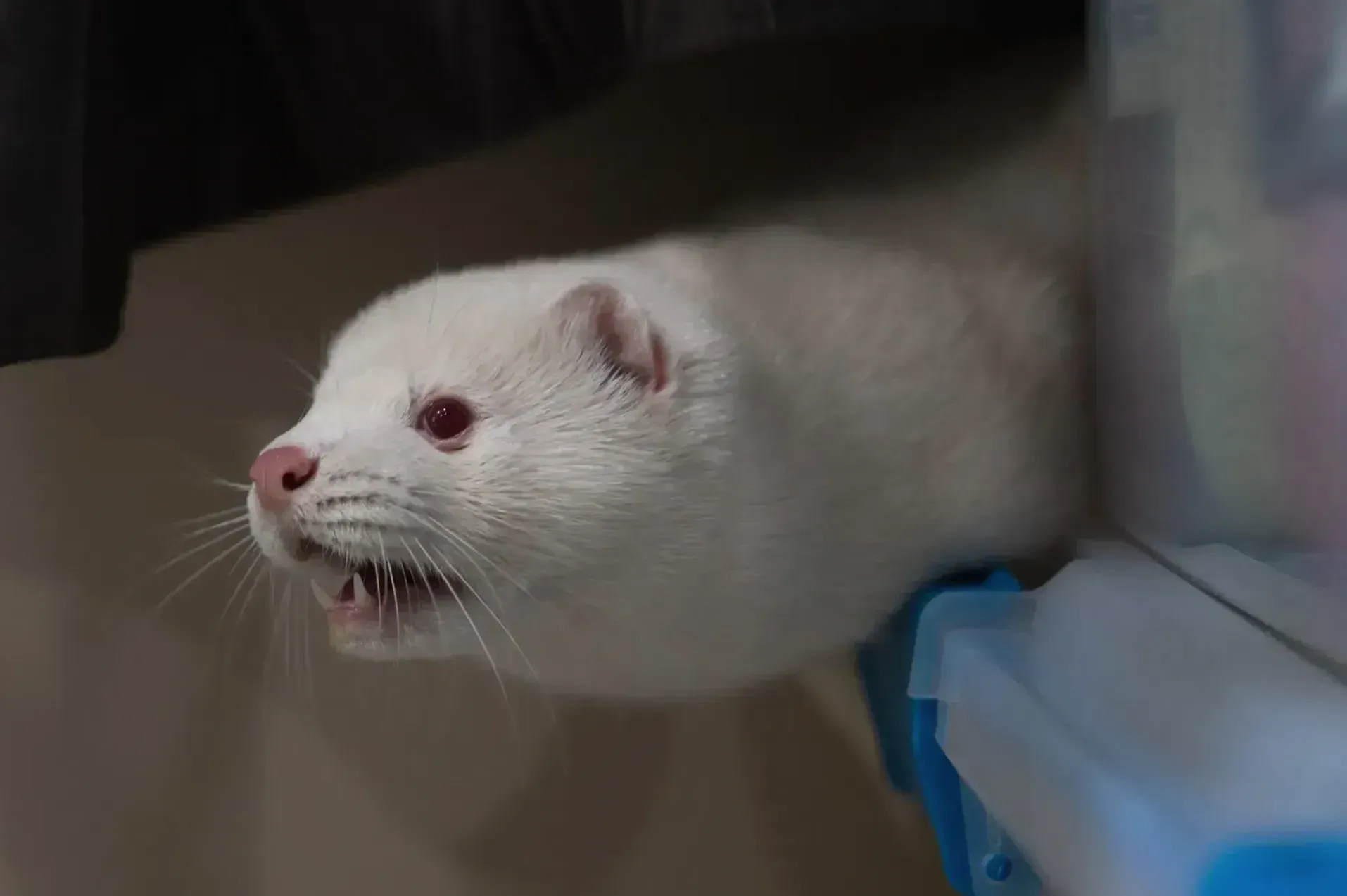
An unchecked outbreak of bird flu has been tearing through a mink farm in Utah for more than two months, creating what health experts describe as a dangerous biological gamble. While the current strain of H5N1 primarily affects birds and livestock, scientists warn that mink possess respiratory systems remarkably similar to humans, making them an ideal bridge for the virus to mutate. In such an environment, a single genetic shift could allow the virus to spread easily between people via coughing and sneezing, potentially triggering a global pandemic far more lethal than COVID-19.
Despite these risks, state and federal officials have largely stood by while the disease ravaged C&T Fenn Farms near Provo. Normally, when highly virulent bird flu hits poultry flocks, the government mandates a total cull to protect public health and the wider agricultural economy. However, because there are no strict federal regulations governing mink, Utah officials opted against killing the infected animals. Internal communications reveal that decision was heavily influenced by the desire to save a luxury fur business from collapse, with state veterinarians emphasizing the personal tragedy of a farmer losing his life’s work over the theoretical risk of a human spillover.
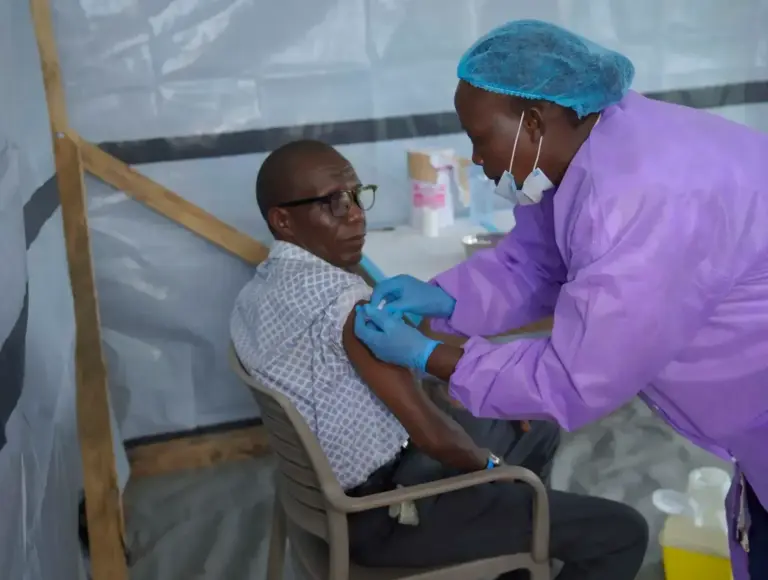
The negligence extends beyond the animals to the people working in the trenches. Although CDC guidelines strongly recommend monitoring workers exposed to infected livestock, Utah officials reportedly ceased proactive screening after hearing that farmers were annoyed by the process. This lack of oversight is particularly alarming given that mink are aggressive animals known to bite and scratch their handlers, providing direct pathways for viral entry into the human bloodstream. Even when a worker displayed symptoms that warranted immediate testing, authorities declined to act.
International observers say this approach is baffling and irresponsible compared to how other nations handle fur farm outbreaks. Researchers note that every other country facing this scenario has moved quickly toward depopulation to eliminate the risk of mutation. By choosing economic preservation over preventative medicine, critics argue that officials are playing with fire in a high-stakes game where the cost of failure could be measured in millions of human lives rather than lost pelts.